Health & lifespan
Shih Tzu health, lifespan and care
Shih Tzu lifespan runs 10 to 16 years, and the flat face is a health profile you manage, not a flaw you fix. Here are the Shih Tzu health problems worth knowing, and the Singapore routine that handles them, from Curious Tails, an AVS licensed shop.
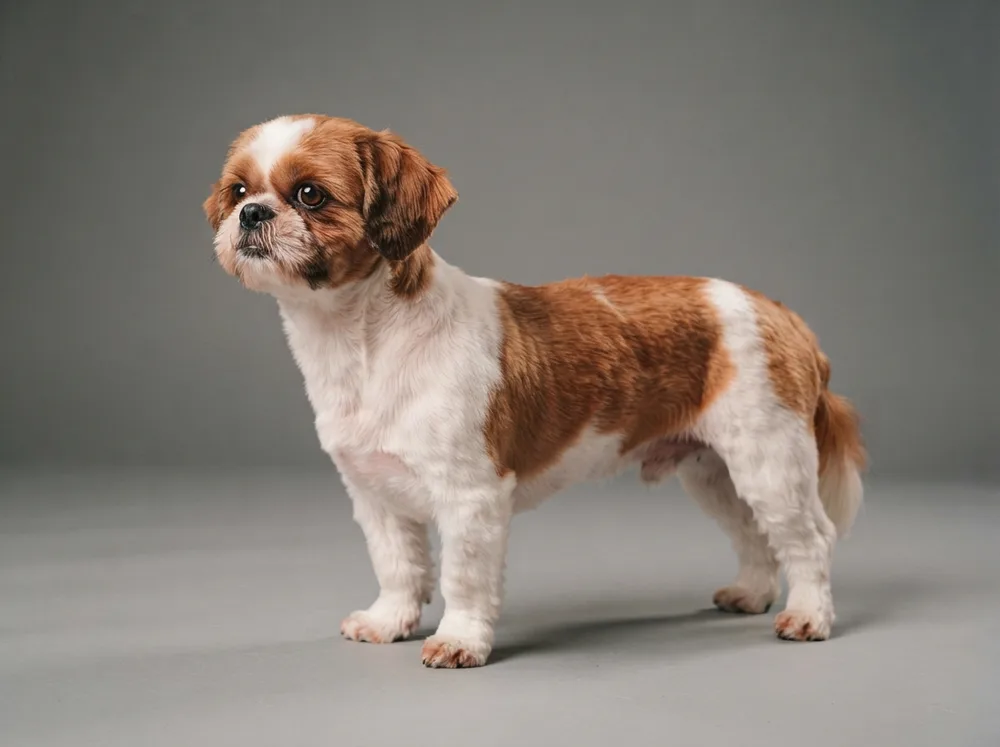
How long do Shih Tzus live?
A Shih Tzu typically lives 10 to 16 years. Small breeds outlive large ones, and the vet charity PDSA puts the breed comfortably over 10, with many reaching their mid-teens. Weight, teeth, eyes and heat management move the number more than luck does.
Vet-checked, honestly advised, cared for after handover
The lifespan answer, with the caveats attached
The Shih Tzu is a small brachycephalic companion breed with a life expectancy of 10 to 16 years, and a dog is considered a senior from around age 9 or 10. Small dogs live longer than large ones, which is why this breed regularly outlasts bigger family dogs by half a decade.
What actually moves the number is not luck. It is weight, teeth, eye care and a heat-smart routine, all of which sit in the owner's hands. With 30+ Shih Tzus placed with Singapore families, every one vet-checked, vaccinated and microchipped before going home, the advice on this page is the same advice we give each of those families.
Shih Tzu lifespan, at a glance
- Typical range: 10 to 16 years
- PDSA: comfortably over 10 years
- Senior from about age 9 or 10
- Small breeds outlive large breeds
- Biggest owner levers: weight, teeth, heat, eyes
The flat face is a health profile, not a cute look
Brachycephalic means a short skull: a compressed airway, a short jaw and prominent, exposed eyes. The PDSA lists brachycephalic obstructive airway syndrome, BOAS for short, as breathing problems caused by those shorter faces, and it sits on a spectrum. Some Shih Tzus barely register it; others snore, breathe noisily and tire fast in the heat.
Honestly, this is the part buyers coo at and then ignore. The face is a feature in the photos and a health profile in real life. It is not a deal-breaker; it is a management job, and everything we can do for it is risk reduction, never prevention. Anyone promising you a guaranteed problem-free flat-faced dog is selling, not advising. That stance runs through our whole honest guide to the breed.
One more thing that surprises people: standard advice from temperate-climate websites, the cheerful "just walk him more", does not transfer here. In Singapore you design the routine around the climate. The breed's modest exercise needs stop being a limitation and become a feature.
You do not fix a flat face. You design the routine around it, and in this climate that starts with the clock.
Breathing and Singapore heat: the one that matters most here
Dogs cool themselves by panting, and a flat face pants inefficiently, so a Shih Tzu carries reduced heat tolerance into a country that is hot and humid all year. Vet-reviewed guidance on flat-faced breathing is blunt about the pairing of short muzzles and hot weather.
The fix is a daily protocol, not heroics. Walk before 9am or after sunset, keep to shade, carry water, and let the aircon do the midday shift. This is also why an air-conditioned HDB flat is genuinely an advantage for this breed: the indoor life other dogs merely tolerate is the life a Shih Tzu is built for. Watch the panting, not the clock; heavy panting on a short walk means the walk is over.
| When | What to do | Why |
|---|---|---|
| Before 9am / after sunset | The two walk windows, in shade, water carried | Pavement and air are coolest; panting stays efficient |
| Midday block | Indoors, aircon or a fan, play and rest | A flat-faced dog cannot shed heat fast enough outside |
| Every walk | Watch the breathing, not the distance | Laboured panting is the stop signal, whatever the clock says |
| Every day | Fresh water in more than one spot at home | Hydration is the cheapest heat insurance there is |
Heat stress emergency signs: act in minutes, not hours
- Heavy laboured breathing, bright red gums, wobbling or collapse are emergency signs, not "let him rest" signs.
- Move the dog to aircon immediately and apply cool (not icy) water to the body, especially belly and paws.
- Then go straight to a 24 hour emergency vet. With heat stroke, minutes matter.
Those big eyes need a routine, not luck
Prominent eyes are the breed's most vet-flagged risk family. Dry eye, keratoconjunctivitis sicca or KCS, is abnormal tear production that the PDSA warns leads to infections and corneal ulcers if untreated; once diagnosed, lifelong eye drops manage it well. The PDSA also lists cataracts (clouding of the lens), progressive retinal atrophy and retinal detachment for the breed.
Because the eyes sit exposed, scratches and corneal ulcers are a real injury risk, and severe trauma can even displace the eye. The practical rule is simple: squinting, redness, cloudiness or unusual discharge gets a vet visit the same week, not a wait-and-see.
The daily defence is a routine, and it is not complicated. Wipe the face during the daily brush, keep a top-knot or short trim so hair stays off the cornea, and manage tear staining on light coats. Fold the eye check into the grooming habit and it costs you thirty seconds a day.
The daily eye routine
- Wipe the face during the daily brush
- Top-knot or short trim keeps hair off the eyes
- Tear-stain wipe on light coats
- Squinting or discharge: vet the same week
- Diagnosed dry eye: drops, for life, and it works
Teeth, ears, knees, back, kidneys: the rest of the checklist
The rest of the health profile is a checklist, not a horror list. Every condition below is either preventable in part or manageable when caught early, which is exactly what the routine vet cadence further down this page is for.
Two are worth flagging for Singapore specifically. Dental crowding: a full set of teeth in a short jaw means plaque builds fast, and periodontal disease quietly drags lifespan down. And those pretty drop ears trap our humidity, so ear infections (otitis) show up more here than in dry climates.
| Condition | What it is | What owners do |
|---|---|---|
| Dental crowding | Too many teeth in a short jaw; plaque and periodontal disease follow | Tooth brushing, dental chews, annual dental check, scaling when the vet advises |
| Ear infections (otitis) | Drop ears trap heat and humidity | Weekly sniff-and-look check; groomer cleans on the 4 to 6 week cycle |
| Patella luxation | A slipping kneecap, common in small breeds; shows as a skipping gait | Vet grading, healthy weight, no repeated sofa launches |
| IVDD (back problems) | Intervertebral disc disease; jumping off furniture is the classic trigger | Pet ramps, discourage jumping, keep the weight down |
| Kidney concerns (renal dysplasia) | A known breed concern with kidney development and function | Mention increased drinking to the vet; kidney function screening as advised |
| Cushing’s disease, umbilical hernia | Both listed for the breed by the PDSA | Routine vet checks catch them; neither is an everyday worry |
What actually stretches a Shih Tzu’s lifespan
Extending a Shih Tzu's life is mostly weight, cadence and routine. Obesity is the quiet shortener: extra weight loads the airway, the knees and the back all at once, and in this climate portion control beats extra walks every time. Feel the ribs monthly; if you cannot, adjust the bowl, not the walking schedule.
The vet cadence by life stage is concrete. Puppy: core vaccinations at weeks 6, 8 and 12, deworming with every visit, and the puppy goes home at about week 9. Adult: an annual check with the annual booster from year 1. Senior, from about age 9 or 10: twice yearly vet checks with bloodwork, dental, eyes and weight on the list.
And here is the quiet advantage of a high-grooming breed: the grooming doubles as a health inspection. The daily brush is a daily scan of eyes, ears, skin and lumps, and the professional groomer who sees your dog every 4 to 6 weeks spots what owners miss. That groom runs about $75 to $120 a session, roughly $900 to $1,400 a year, and we say that number before any money changes hands. The full breakdown lives in our guide to Shih Tzu grooming in Singapore.
10–16y
Typical lifespan
6/8/12
Vaccination weeks
~wk 9
Puppy goes home
4–6 wks
Groom cadence
What we screen before a puppy goes home
Every puppy we place gets a vet health check, vaccination records, a microchip and breed identification, and the licensing paperwork is completed at purchase. We are an AVS licensed shop, licence AS24J00046, verifiable on the AVS public registry of licensed pet shops. When a family is ready, our available Shih Tzu puppies all come through that same screen.
Now the honest limit, stated before price talk because that is our gate: screening reduces risk, it cannot promise. The flat-faced structure is the breed itself, not a defect a check-up can filter out. What screening buys you is a healthy starting point and no surprises on day one; what the next 10 to 16 years look like is the routine on this page.
What we usually tell buyers is this: if a seller anywhere guarantees you a problem-free flat-faced dog, walk away, because they are selling, not advising. What we back instead is aftercare that continues past handover.
Aftercare included with every placement
- 5-day bring-back-if-sick support
- Free ongoing care advice, for the life of the dog
- First professional groom included
- Free training lesson with an AVS-certified trainer
What Shih Tzu owners actually report
Owner forums and communities like r/shihtzu are consistent about daily reality: the snoring at night, the tear stains on light coats, and the struggle of any midday walk attempt in the tropics. We share these as attributed community experience, not as our own placements, because the owner-reported pattern is useful data.
The recurring theme is just as consistent: it is all manageable with routine, and owners keep choosing the breed again anyway. That tells you something the condition lists cannot.
The snoring is real, the tear stains are real, and so is the fact that Shih Tzu owners rarely switch breeds.
Who this breed is right (and wrong) for
Right fit: indoor-first HDB and condo homes with aircon, gentle daily routines, elderly owners, and families who want a sturdy, affectionate companion with modest exercise needs. The breed's health profile and flat living are genuinely compatible; the indoor life is a management tool, not a compromise.
Wrong fit: anyone looking for a midday jogging partner, and anyone who will not budget for the groom every 4 to 6 weeks. If that is you, we will say so and point you to a better-suited breed. We would rather lose the sale than place the wrong dog.
HDB ✓
Flat living suits the breed
2 walks
Before 9am, after sunset
$900–1,400
Grooming per year
30+
Placed by us
Keep exploring before you commit
Frequently asked questions
How long do Shih Tzus live?
A Shih Tzu typically lives 10 to 16 years. The PDSA puts the breed comfortably over 10, and many reach their mid-teens. Weight control, dental care, eye care and a heat-smart routine are the levers that push a dog toward the top of that range.
What is the downside of owning a Shih Tzu?
Two honest ones: grooming and the flat face. Expect daily brushing plus a $75 to $120 professional groom every 4 to 6 weeks, and a brachycephalic health profile that means reduced heat tolerance, snoring, and eyes and teeth that need routine attention.
Do Shih Tzus have breathing problems in Singapore’s heat?
The flat face makes panting inefficient, so heat is the breed’s main hazard here. Managed with walks before 9am or after sunset, shade, water and aircon during the midday block, most Shih Tzus live comfortably in Singapore. Heavy laboured breathing, bright red gums or collapse means cool the dog and go to an emergency vet immediately.
At what age do Shih Tzu health problems usually start?
Structural traits like snoring and heat sensitivity are present from day one. Wear-related conditions such as dental disease, dry eye and knee or back trouble tend to surface in the middle years, which is why checks go twice yearly once a dog turns senior at about 9 or 10.
How do I care for a Shih Tzu’s eyes?
Wipe the face daily during the brush, keep a top-knot or short trim so hair stays off the cornea, and manage tear stains on light coats. Squinting, redness or unusual discharge is a same-week vet visit. Diagnosed dry eye is managed well with lifelong drops.
Is a Shih Tzu a healthy breed to buy in Singapore?
It is a manageable breed, honestly framed. The 10 to 16 year lifespan is excellent, and the known risks (heat, eyes, teeth, knees, kidneys) all respond to routine care. An air-conditioned flat, two smart walk windows and the 4 to 6 week groom cover most of the job.
Do health checks guarantee a healthy Shih Tzu?
No, and anyone who says otherwise is selling, not advising. A vet health check, vaccinations and a microchip give you a healthy, verified starting point; they reduce risk, they cannot remove the breed’s flat-faced structure. That is why our aftercare includes 5-day bring-back-if-sick support and free ongoing care advice.
Meet your Shih Tzu
Come say hello at Balestier
2 Balestier Road #01-701, Singapore 320002 · Weekdays 12pm–6pm · Weekends 10am–6pm. Or message us first: tell us about your home and routine, and we'll tell you honestly if a Shih Tzu fits.
Not sure you can manage the routine?
Tell us about your home and schedule. If the flat-face routine is wrong for you, we will say so and suggest a better fit.
Read the grooming reality